Chemical Intolerance: Common Cause for Complex and Chronic Illness
Sep 13, 2026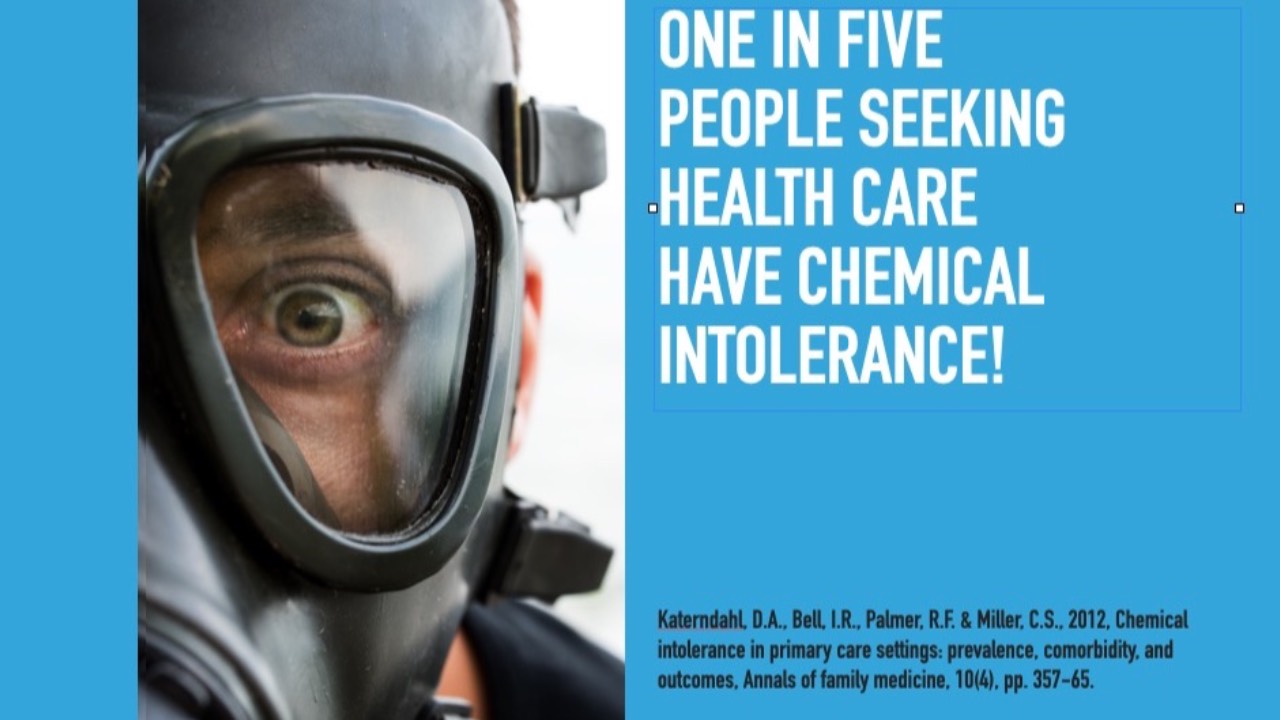
Chronic and Complex Illnesses and Chemical Intolerance
A recent research study (2012) conducted in Austin, Texas, family practices indicates that approximately 20% of people seeking care in a family practice have Chemical Intolerance, also referred to as Environmental Sensitivity.
This chemically intolerant group “reported significantly higher rates of comorbid allergies and more often met screening criteria for possible major depressive disorder, panic disorder, generalized anxiety disorder, and alcohol abuse disorder, as well as somatization disorder…Controlling for demographics, patients with chemical intolerance were significantly more likely to have poorer functional status, with trends toward increased medical service use when compared with non–chemically intolerant patients.”1
There is, in healthcare, a group of patients who are lost in the system: a complex, chronically ill group of people who have a long list of symptoms and conditions, along with a long list of vague diagnoses and drugs that have been prescribed, nutritional supplements they've used, and treatments they've had over the years while looking for answers that have never come.
The right diagnosis for the complex and chronic patient is, unfortunately, rich in possibilities. However, screening for chemical intolerance should always be near or at the top of the list.
Symptoms of Chemical Intolerance By System
Vascular or Autonomic: Facial or neck flushing, warmth, sweating, rapid heartbeat/palpitations, lightheadedness, dizziness
Neurological: Headache, migraine-like symptoms, difficulty concentrating, “brain fog,” tremulousness
Gastrointestinal: Nausea, abdominal discomfort/cramping, diarrhea
Respiratory: Nasal congestion or runny nose, cough, chest tightness, shortness of breath, throat/choking sensation
Skin/mucosal: Itching, redness, nonspecific skin discomfort, eye/nasal irritation
Systemic: Fatigue, weakness, malaise, sleep disruption, feeling unwell
Chemical intolerance occurs because some people have genetic predispositions that result in insufficient enzymes to properly metabolize naturally occurring and manmade chemicals we are all exposed to in the air we breathe, food and drink, and through our skin.
Sources of Chemical Intolerance From Food and Environment
Aldehydes: Fermented/cultured foods, fried food. Mold. Air fresheners, scented candles, essential oils, cleaning products, cologne, perfume, cosmetics, scented soaps, detergent, fabric softener, gas fumes, auto exhaust, cigarette smoke, plastics, paint, plywood, particle board, glue, foam, fabric, upholstery, dyes, carpeting, flooring, furniture.
Phenols: Tomatoes, fruit (especially apples, berries, citrus). Peanuts, coffee, tea, cocoa (chocolate), wine, honey, milk, walnuts. All herbs and spices. Wood, tobacco, leather. MSG, artificial flavors & colors, synthetic preservatives & sweeteners.
Histamine: Canned, pickled, fermented foods. Alcohol, vinegar. Mature/aged cheese, beans, shellfish, nuts (especially walnuts), cocoa.
Prostaglandins: Excessive animal fats. Corn, sunflower, cottonseed, and soybean oils.
Sulfites & Nitrites: Cured and fermented foods. Wine, fermentation, sulfur dioxide, sulfite additives.
Tyramine: Aged, cured, smoked, pickled, and fermented foods. Yeast, alcohol.
Misc. Chemical & Pollutants: Solvents, adhesives, detergents, plastics, cosmetics, household chemicals, air and water pollution, and volatile organic compounds.
Do You Have Chemical Intolerance?
Find out if you have chemical intolerance by taking the Quick Environmental Exposure and Sensitivity Inventory (QEESI).
Over twenty years ago, I developed a nutritional formula for addressing chemical intolerance. Clinical trials led to 85% resolution rate and a patent for Vinami™.
If you are positive for chemical intolerance based on the QEESI questionnaire, I recommend, in good faith, using Vinami™ and being aware of lowering your exposure to triggering agents.
Note that the current page describing Vinami refers to wine intolerance - chemical intolerance and wine intolerance are the same problem with the same solution.
Reference
Dr. Force's weekly healthletter shares health related links and articles, new blog posts, inspiring quotes, and some other things just for fun.
We hate SPAM. We will never sell your information, for any reason.
